Home / Customization Services / Puff Screen Printing
Raised 3D Graphics You Can Feel Before You See Them
Puff printing adds a foam-like height to logos and lettering, giving a tactile finish that flat ink cannot copy. We blend puff additive into our inks, print, then expand the layer with controlled heat. It is a favourite with streetwear and varsity brands. Orders start at 50 pieces with samples approved first.
- Raised 3D foam-like texture
- Works with any ink colour
- Tested expansion before bulk
- Ideal for bold logos and text
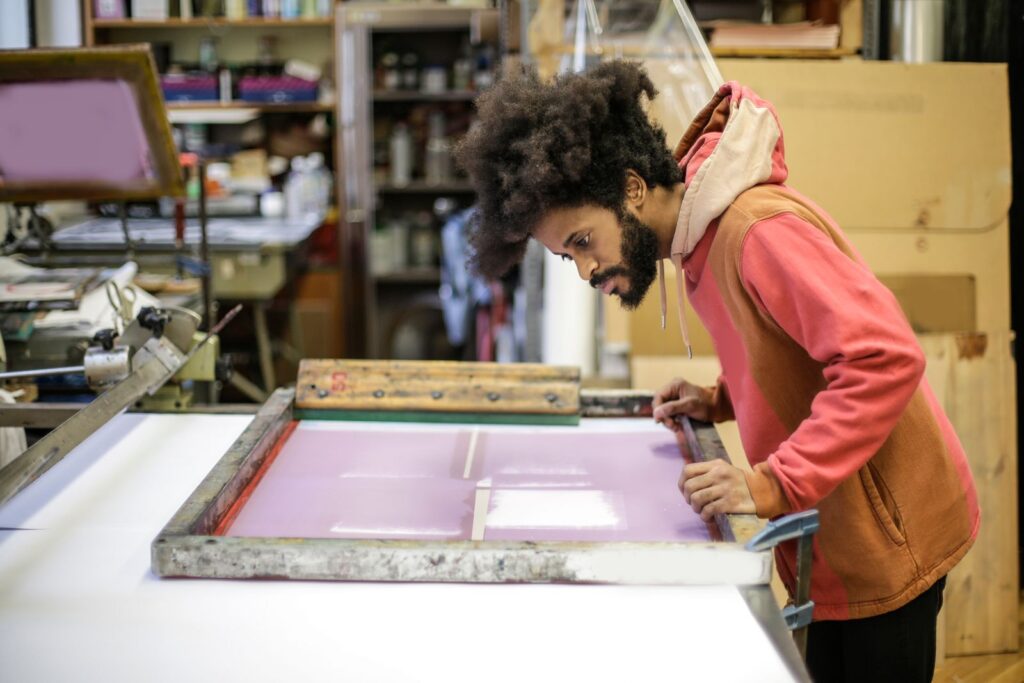
What puff printing actually is
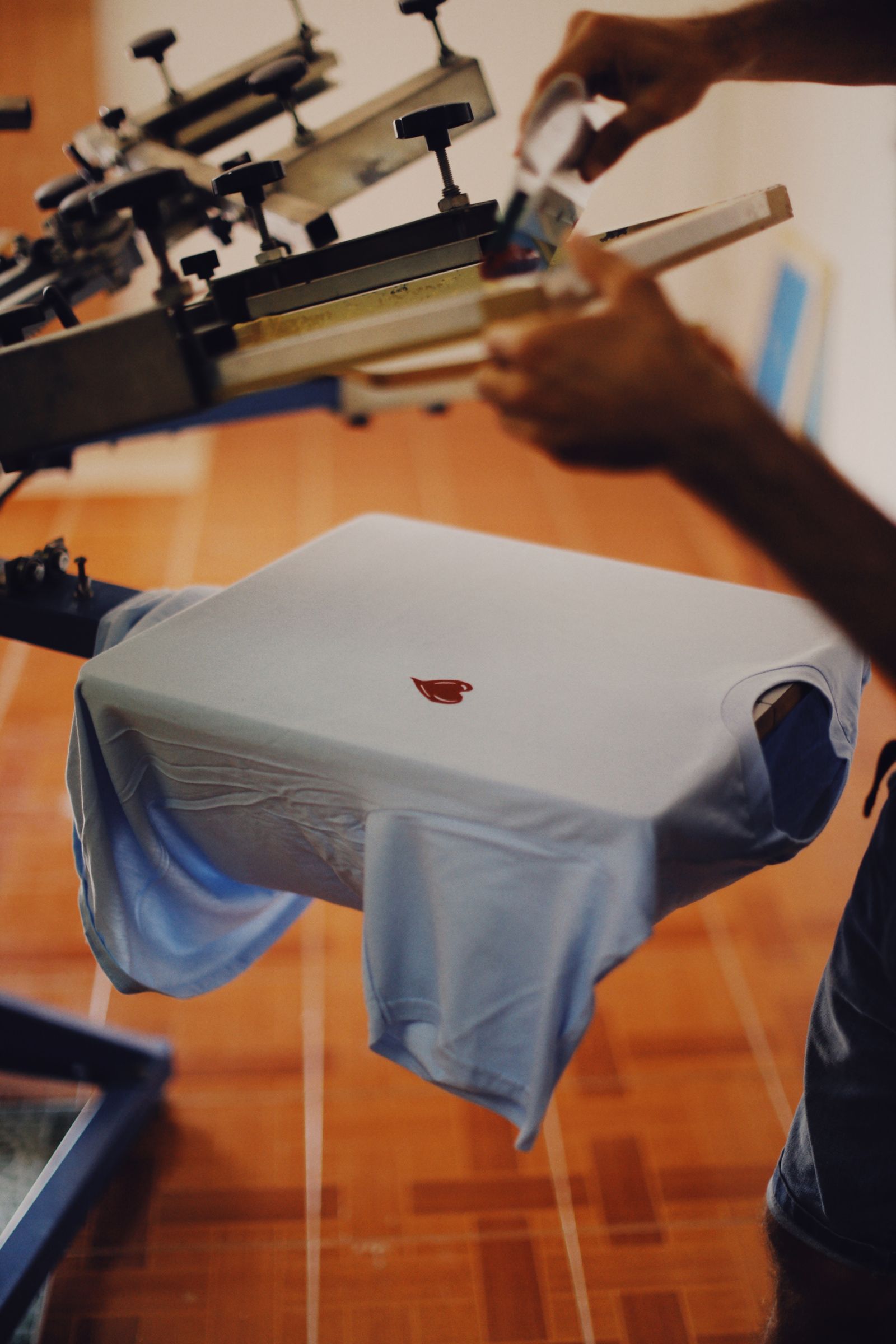
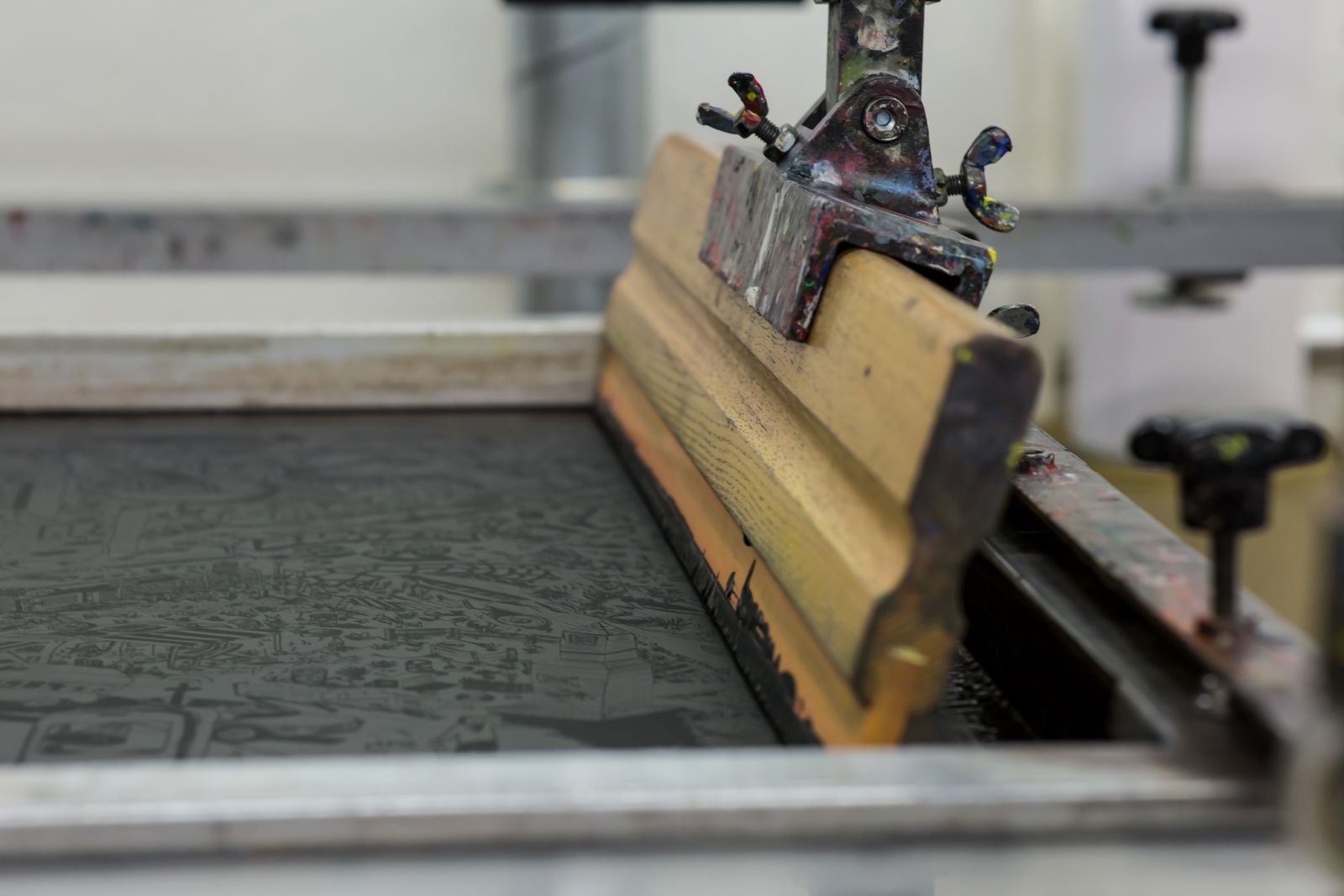
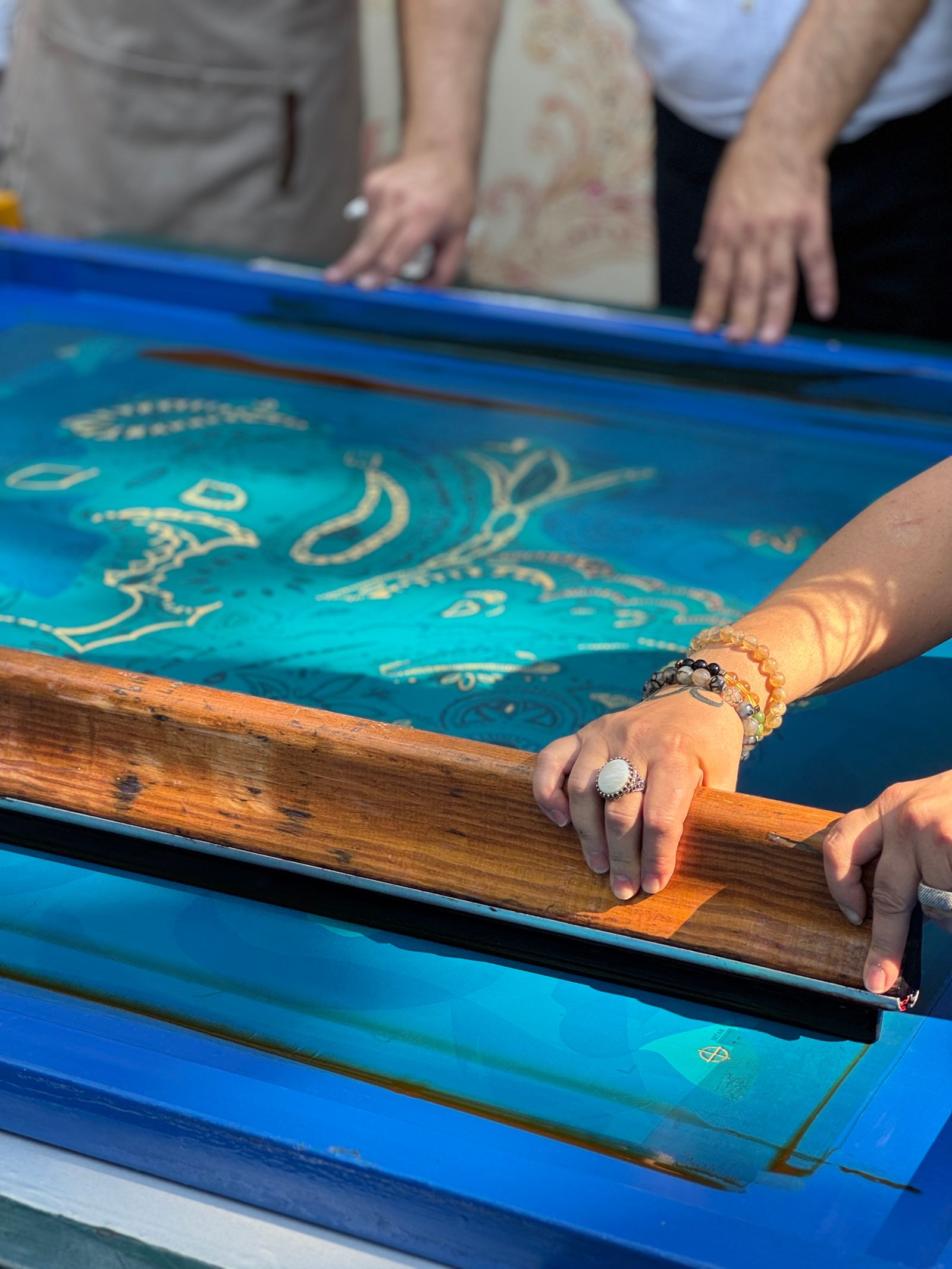
Puff printing is a screen printing technique. A puff additive, a blowing agent that expands when heated, is mixed into a plastisol ink base. The mixture is printed through a screen, usually with a thicker mesh stencil than normal, and then heated until the additive reacts and the ink rises into a soft, raised layer.
The critical step is the cure. Puff ink expands at a lower temperature than the one needed for a full cure, so we typically gel the print first with a heat press or flash unit, then finish it at full cure temperature, which is about 160 degrees Celsius (320 F). Too little heat and the print stays flat and weak. Too much and it can blister, crack or lose its smooth surface.
Standard puff gives a raised height of roughly one to two millimetres, depending on ink film thickness and additive ratio. Because the effect depends on volume, puff suits bold shapes and chunky lettering. Hairline strokes and tiny type do not expand cleanly, so we may adjust your artwork for the best result.
Best uses for puff print
Statement streetwear graphics
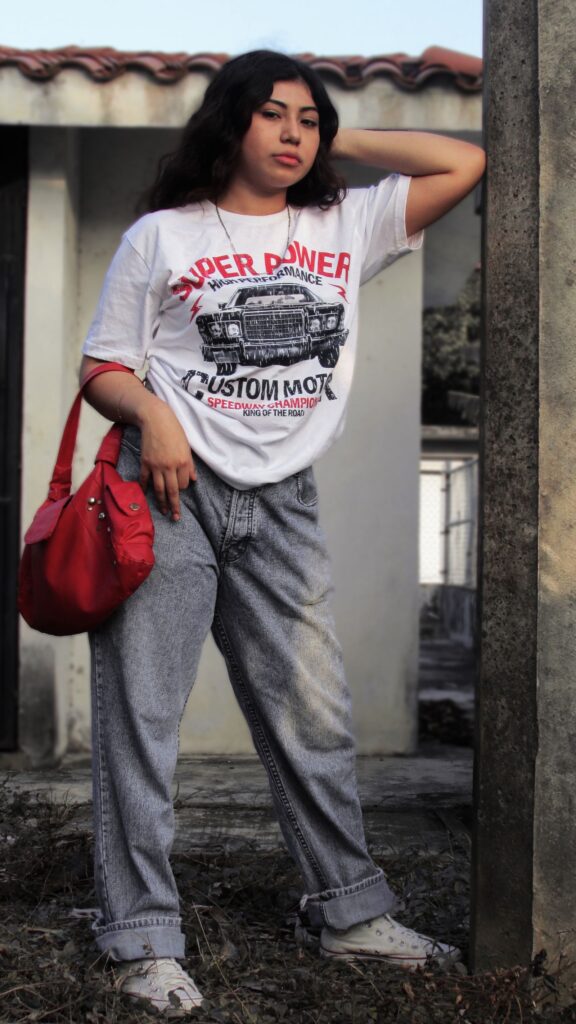
A raised wordmark on a heavyweight hoodie or boxy tee makes a collection feel premium. Puff creates shadow and depth in daylight, so even a one-colour logo reads as a considered design detail.
Varsity and collegiate looks
Raised lettering on fleece and jackets echoes classic chenille styling at a lower weight and cost. Block letters, numbers and mascot outlines are natural candidates for puff on team and school apparel.
Embossed-style tonal logos
Printing puff in the same colour as the garment creates a subtle, embossed effect. The branding is visible through texture and light rather than contrast, which suits understated luxury labels.
Accents combined with flat ink
Many designs mix flat screen print for detail with a puff layer on one element. This keeps cost sensible while giving the eye a tactile focal point such as a central initial or outline.
Why our puff prints hold their shape
Controlled additive ratio
We measure the puff additive against the ink base for every job. Consistent ratios give even expansion across all pieces, avoiding patchy height between the first and last garment.
Two-stage heat process
A gel stage followed by a full cure lets the ink expand evenly and then lock in place, producing a smooth surface that stays raised through washing.
Test prints on your blank
Expansion varies with fabric weight and texture. We print and cure a sample on your actual garment so you approve the real height and finish.
Artwork adjusted for puff
We thicken fine lines and open tight counters in letters so the raised ink does not spread or fill in, keeping edges crisp after expansion.
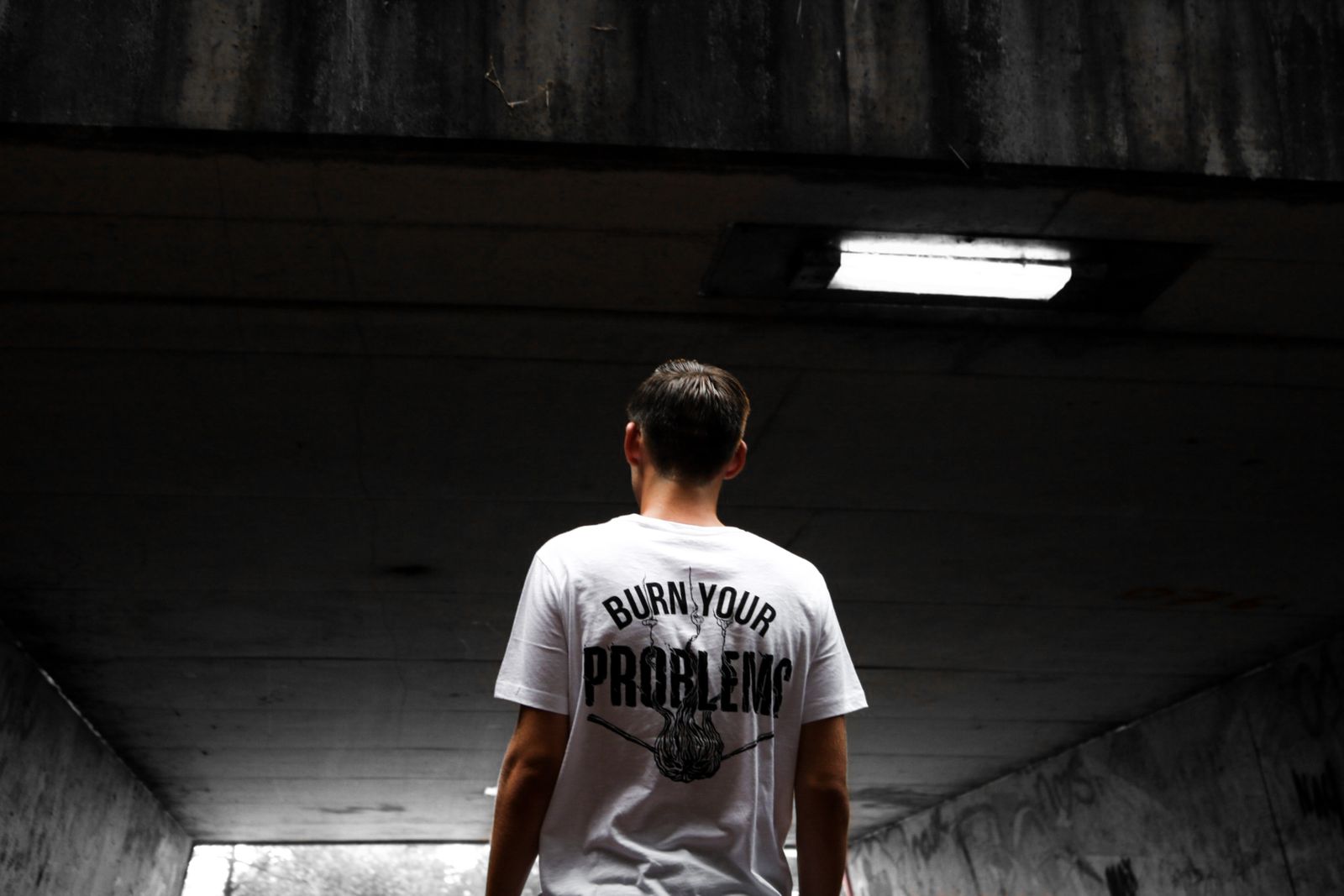
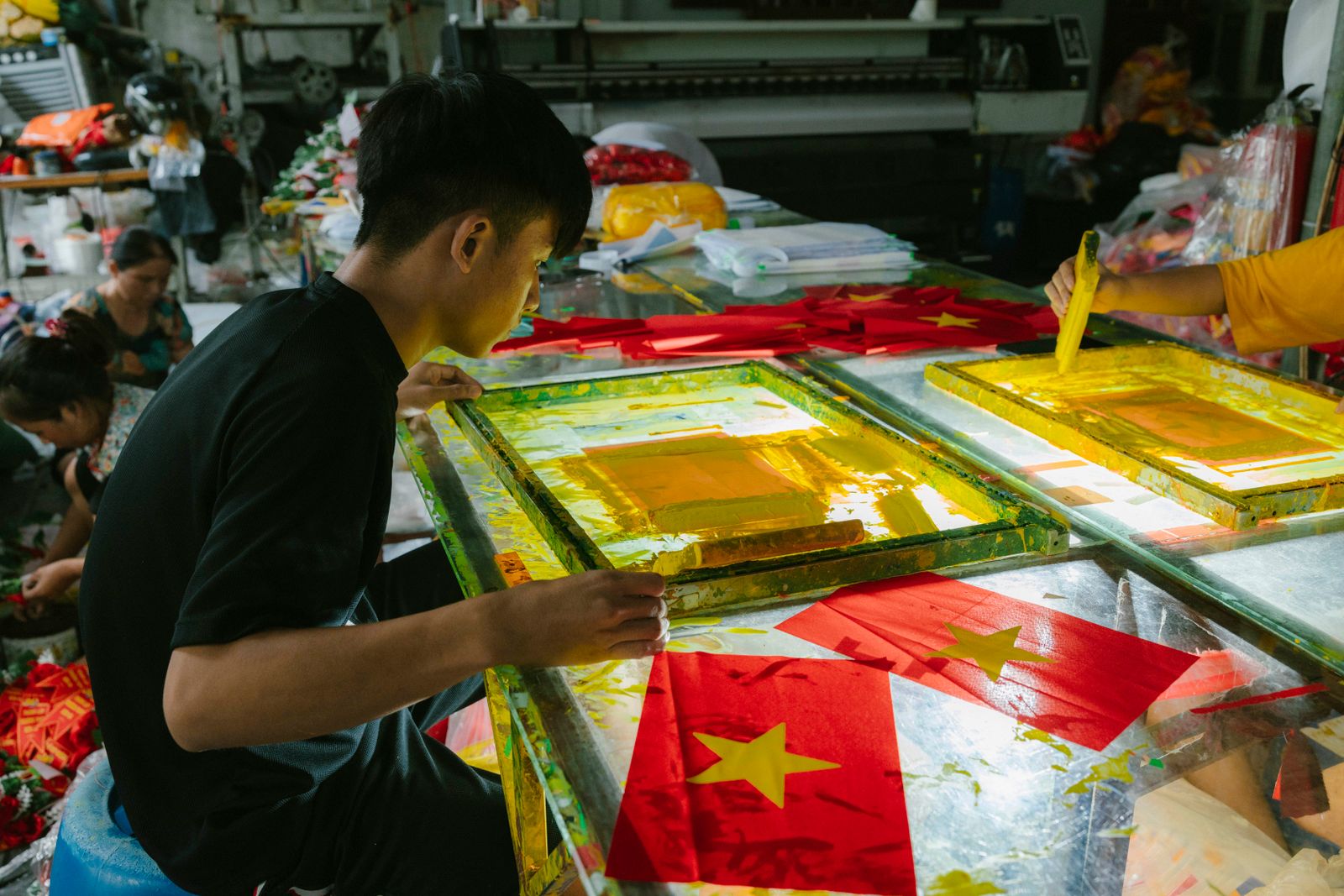
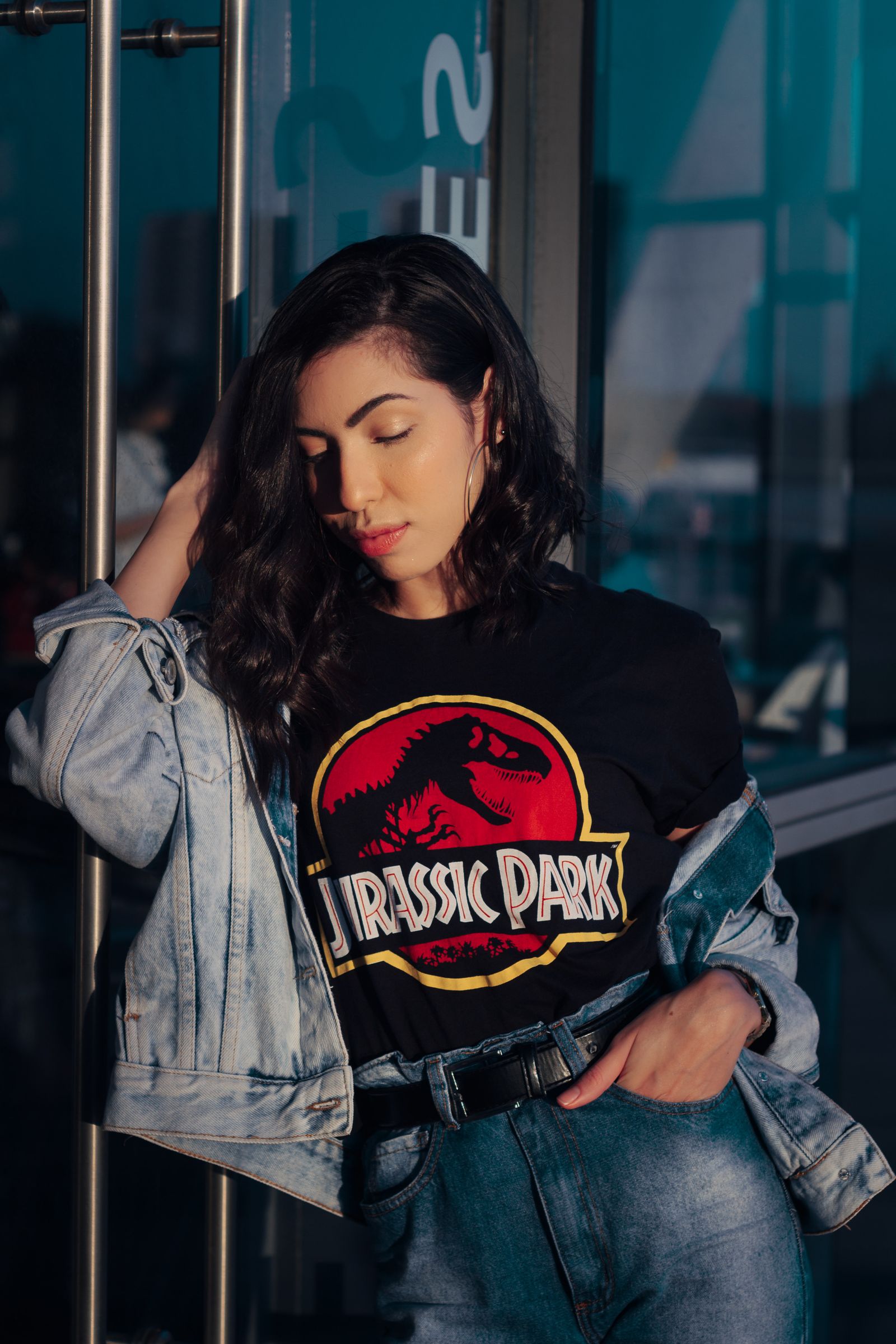
Puff print options
Tell us your garment, design and quantity. We will check your artwork for puff suitability, quote the job and make a physical sample so you can feel the finish.
Single colour puff
The simplest and most reliable option. One screen, one raised layer, in any ink colour from our range. It works well for names, numbers and bold marks on fleece, tees and jackets.
Puff with flat colour layers
We print standard ink first for detail, then puff over or beside it. This lets a single design carry both flat shading and a raised focal element without a second decoration process.
Tonal and neon colourways
Match the garment for an embossed look, or choose neon and metallic bases for contrast. Dark inks show less shadow depth, so we advise on colour choice using swatches.
Garment and placement choices
Puff works on cotton tees, fleece hoodies, jackets and structured hats. Keep the print on flat panel areas, away from seams and zips, for the cleanest expansion and best durability.
When to choose puff over other methods
Choose puff when texture is the point. If you want a graphic people will touch, puff outperforms standard plastisol, DTG and DTF, none of which can create real height. It also costs far less than embroidery or chenille for large, simple shapes.
Avoid puff for fine detail, photographs or gradients, and for fabrics that cannot tolerate heat such as some thin technical synthetics. For intricate designs, choose DTF or standard screen print. For a stitched, premium feel, consider 3D puff embroidery instead. We will tell you honestly which suits your artwork.
Who orders this
Puff printing attracts brands that sell on texture and attitude. If your product story depends on look and feel, a raised graphic gives customers a reason to pick the garment up and handle it in store or online photos.
- Streetwear brands launching heavyweight hoodie collections
- Varsity jacket and letterman style programmes for schools
- Boutique labels wanting tonal, embossed-look branding
- Sports clubs ordering supporter fleece with raised crests
- Event merch with large block lettering on tees
Care & durability
Wash puff-printed garments inside out on a cool, gentle cycle and hang dry where possible. High tumble heat can soften the ink and flatten the raised layer over time. Do not iron or press directly on the print.
Puff is flexible but slightly more delicate than flat plastisol. Avoid harsh scrubbing and abrasive washing bags. With normal care the height stays stable for the garment’s life, and we supply care wording for your labels.
Puff print questions
Straight answers to the questions buyers ask us most. Anything missing? Send an inquiry and we will reply within one business day.
How high does a puff print rise?
Typically one to two millimetres above the fabric surface, depending on ink thickness, additive ratio and mesh. We can adjust the recipe within limits, and we confirm the height on a physical sample before production starts.
Can puff print be done on any fabric?
It works best on cotton, cotton blends and fleece. Very thin or heat-sensitive synthetics can scorch or distort during expansion. Send us your blank or fabric details and we will test it before you commit.
Is puff ink different from normal plastisol?
Yes. It contains a blowing agent that expands under heat, so it reacts differently in the screen and the dryer. It also needs thicker stencils and careful temperature control, which is why we run it as a dedicated process.
Can you puff print small text or fine lines?
Small details lose definition because the ink spreads as it rises. We recommend strokes of about 2 mm or thicker. If your design includes tiny type, we can print that in flat ink beside the puff element.
What is the minimum order for puff printing?
Most styles start at 50 pieces. Puff uses a standard screen setup, so minimums match regular screen printing. For a smaller test batch, ask about samples and we will advise on the best route.
Request a quote for Puff Screen Printing
Tell us your garment, design and quantity. We will check your artwork for puff suitability, quote the job and make a physical sample so you can feel the finish.
- Reply within one business day
- Free mockup with every quote
- Pre-production sample before bulk
- Low minimums from 50 pieces
Prefer to talk? WhatsApp or call +92 329 8034691
When you click send, WhatsApp opens with your details pre-filled so you can send them straight to our team.
Add height to your next design
Send your logo and garment details to our team. We will review the artwork for puff, confirm minimums and lead times, and prepare a sample for approval.