Home / Customization Services / Tackle Twill
Layered Fabric Lettering With Real Weight and Edge
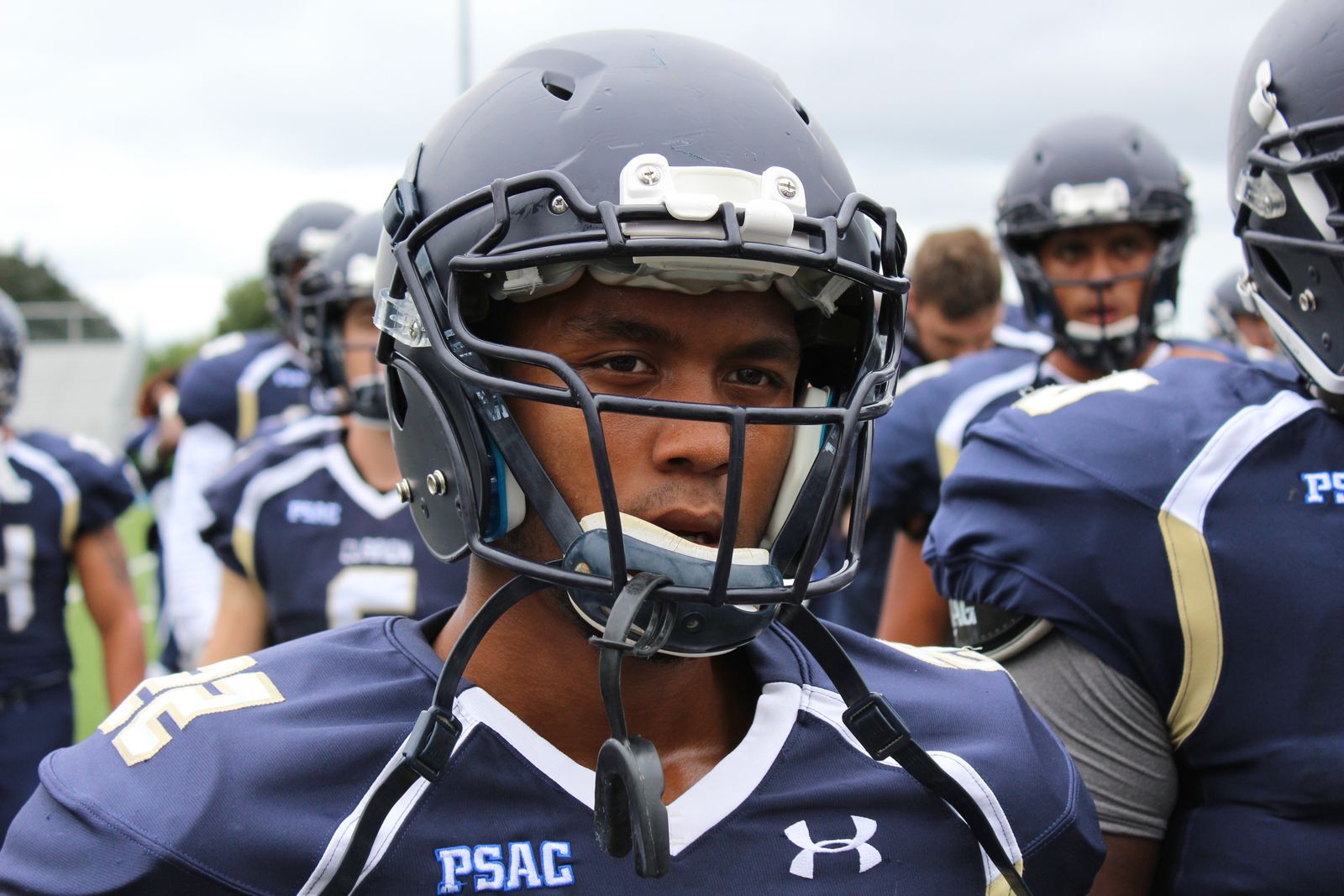
Tackle twill is the traditional lettering of American football jerseys and varsity jackets. Letters and numbers are cut from heavy polyester or rayon twill, layered and stitched down with a zigzag edge. They have a raised, textured look and survive harder use than printed alternatives. Orders start at 50 pieces.
- Cut from heavy twill fabric
- Layered with stitched edges
- Built for jerseys and varsity jackets
- Made to survive years of wear
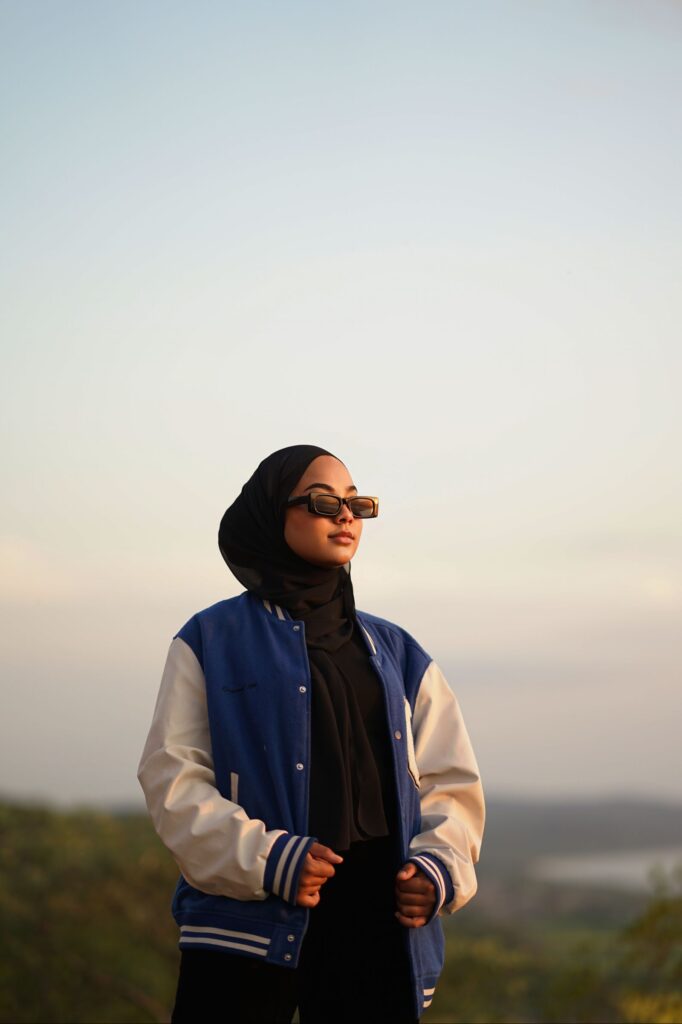
What makes tackle twill different
Tackle twill uses a woven fabric with a diagonal rib, cut into shapes by laser or plotter. Shapes are bonded to the garment with a heat-activated adhesive backing to hold them in position, then stitched around the edges with a tight zigzag or satin stitch. The stitching seals the cut edge and prevents fraying.
Layers give the style its depth. A typical number has a base twill layer with a second, contrasting twill layer sewn over it as an outline or inner fill. Three-layer styles add a further accent. Each layer needs space, so characters tend to be larger than printed alternatives, with minimum widths around 10 to 12 mm per stroke.
Twill is sold in weights and fibres. Polyester twill is hard wearing and colour fast, while rayon twill has a slight sheen and a more traditional appearance. We match fabric and thread to the garment weight, because a heavy twill on a thin jersey can pucker and distort the base fabric.
Where tackle twill belongs
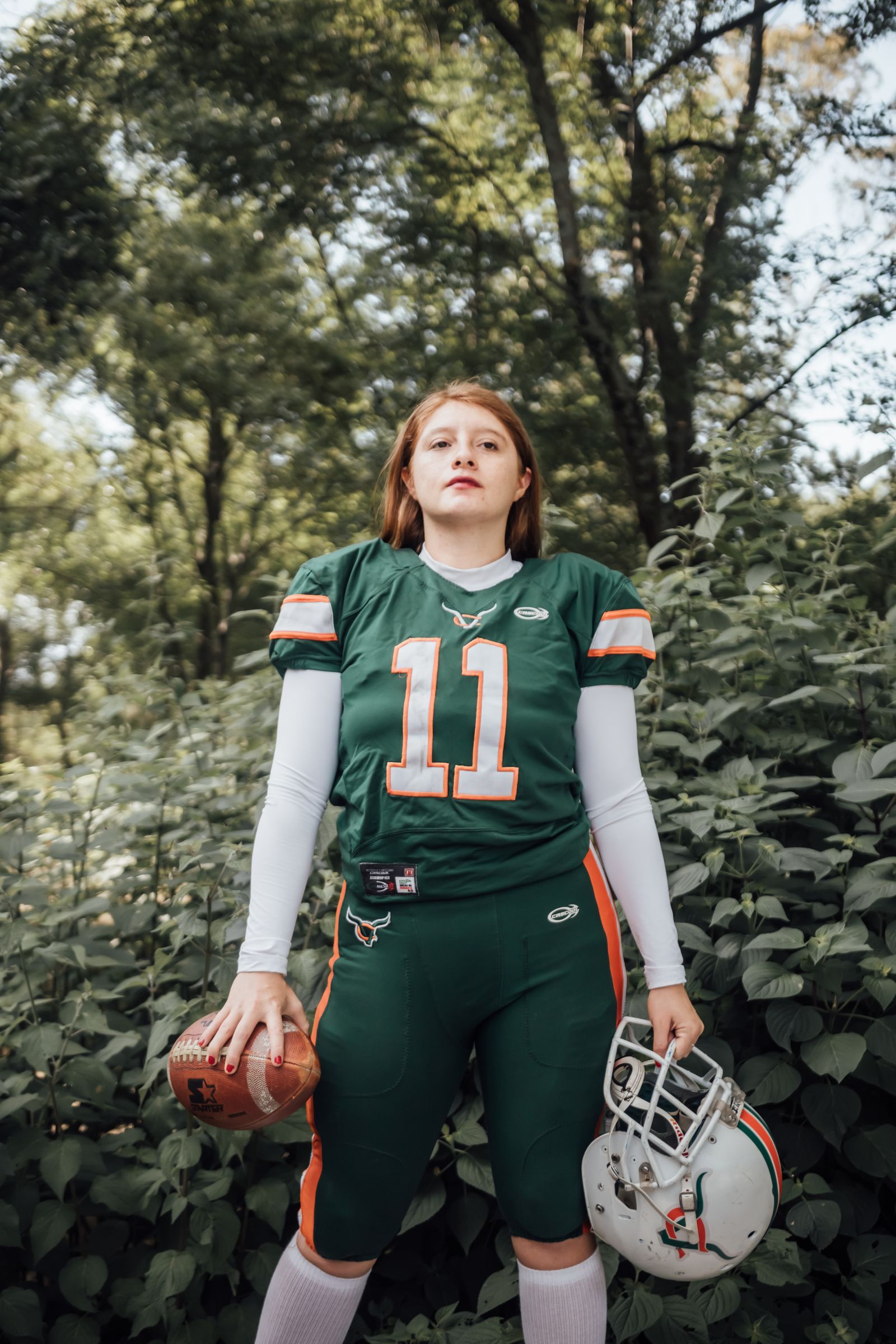
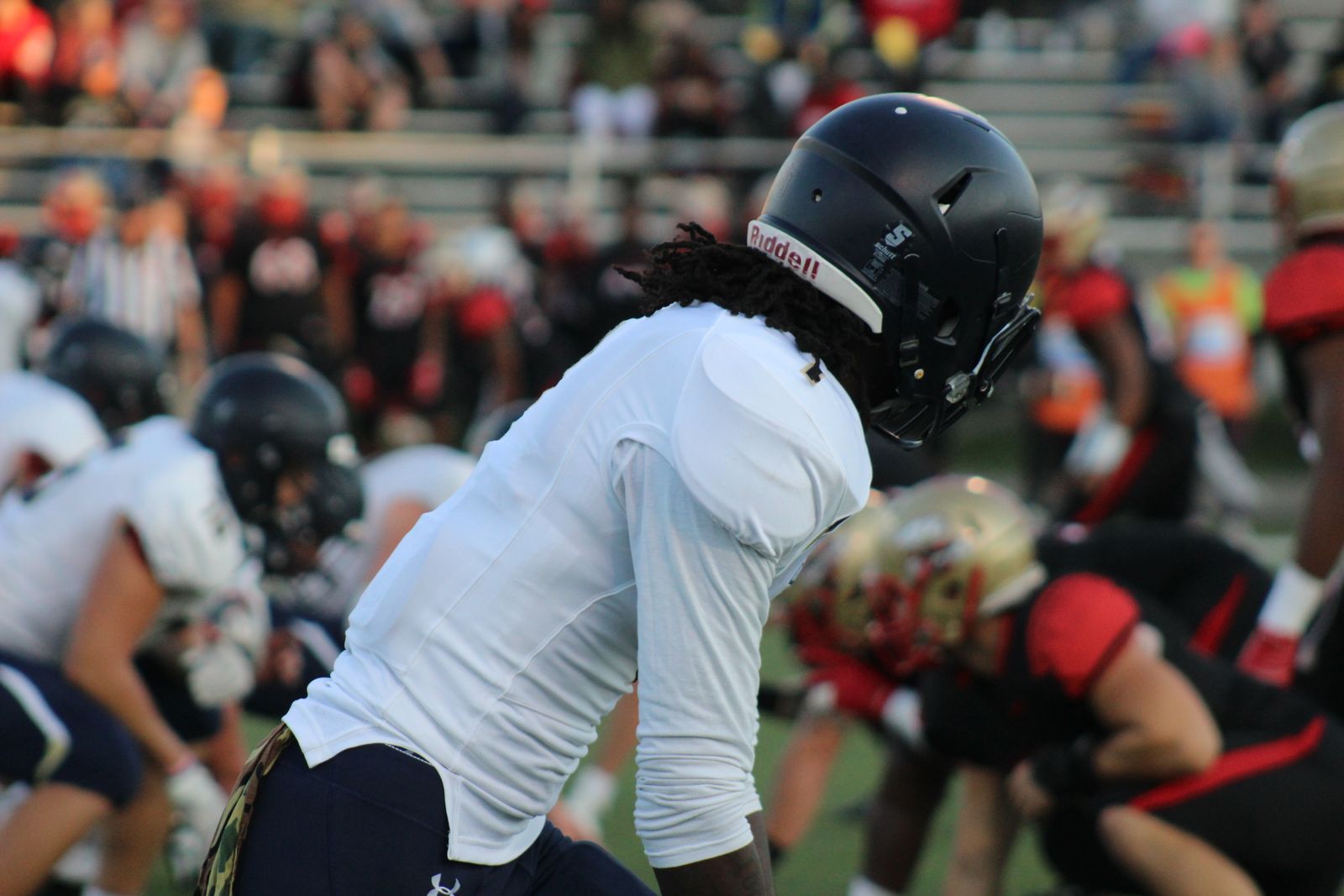
Football and basketball jerseys
Names and numbers in layered twill meet the look of competitive kit, and the stitched edge withstands tackles, abrasion and repeated hot washing better than heat-applied vinyl.
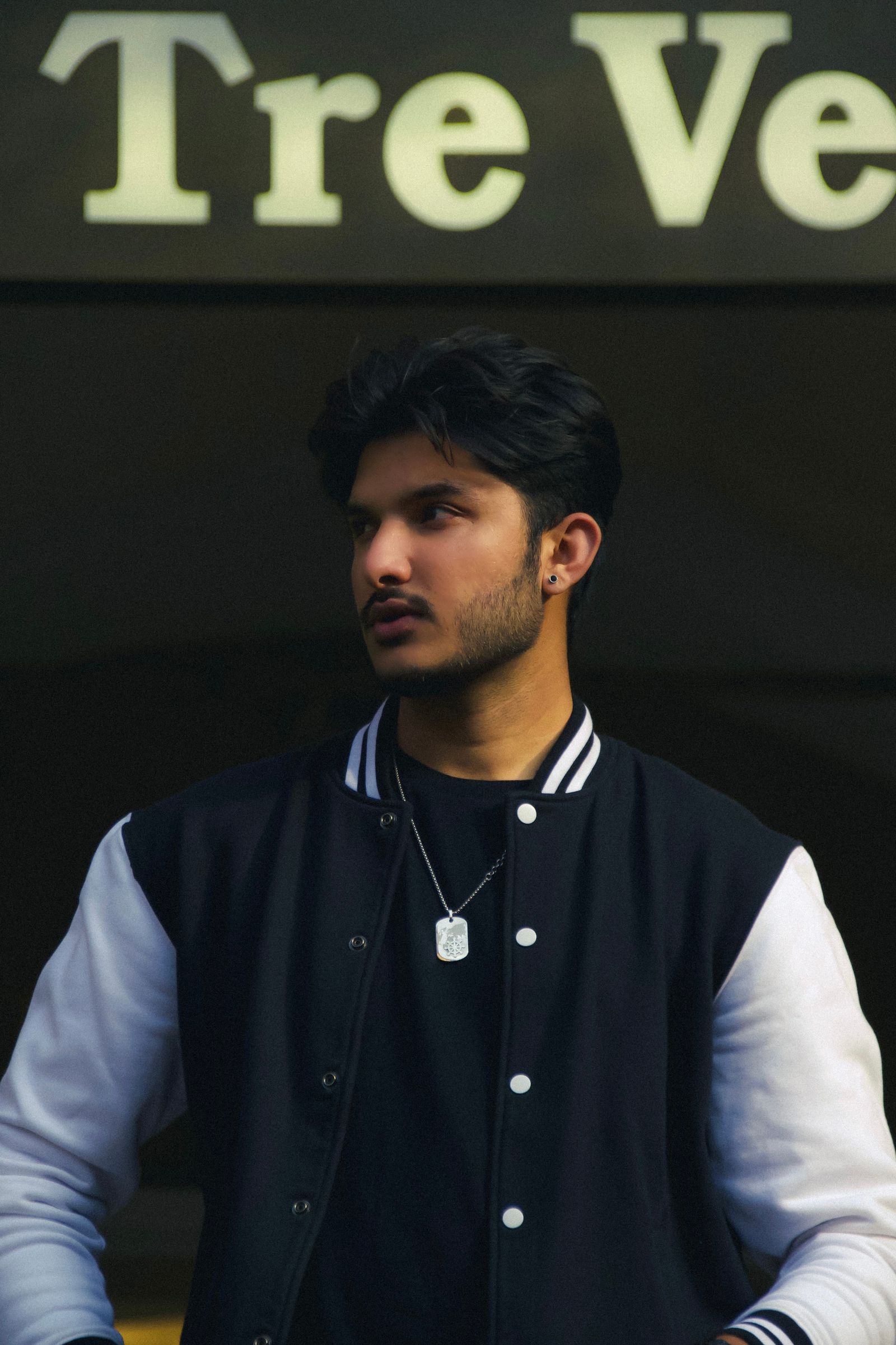
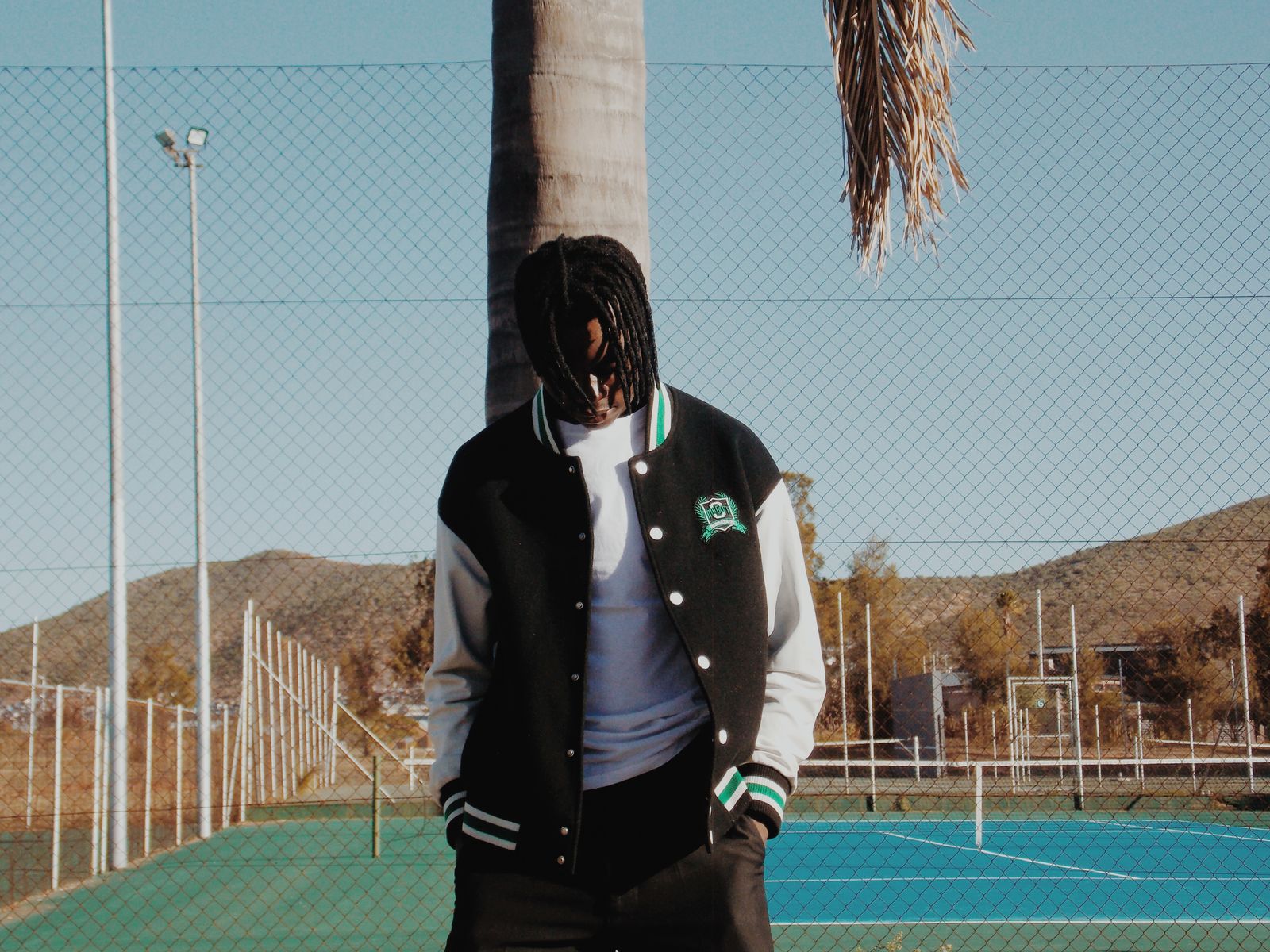
Varsity and letterman jackets
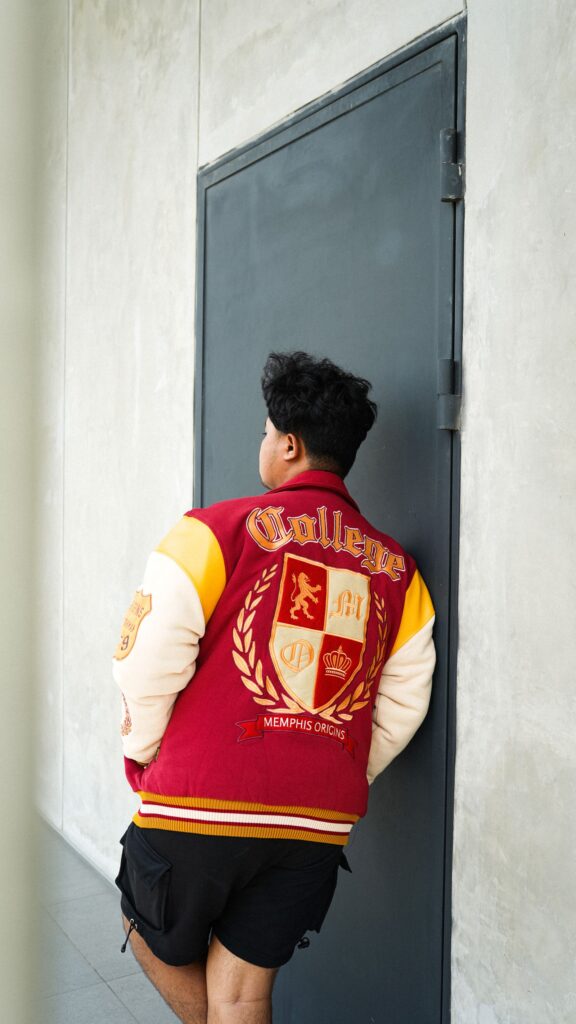
Large chest letters, sleeve numbers and class years in twill pair naturally with wool bodies and leather sleeves. The raised texture complements chenille and embroidered patches in the same design.
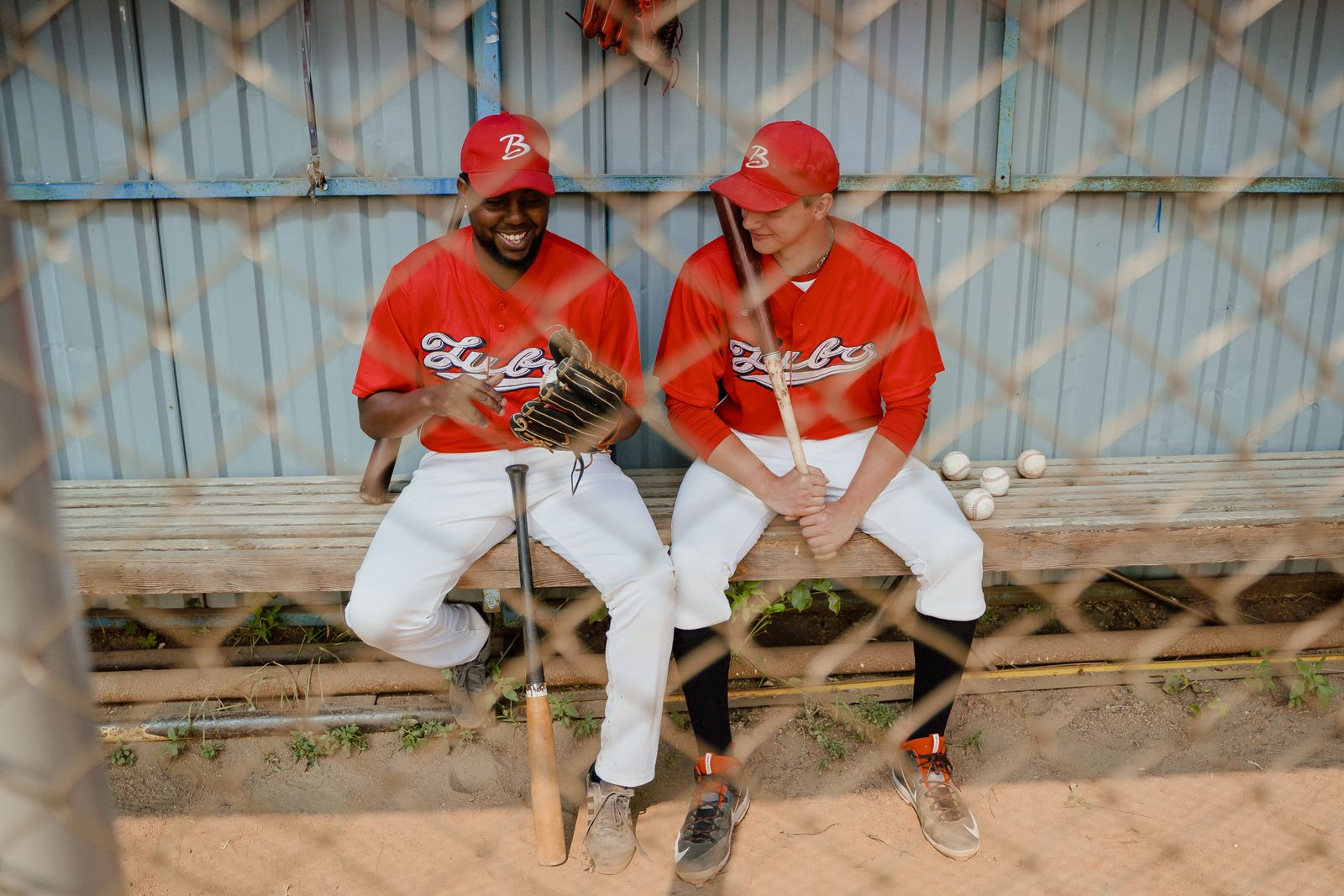
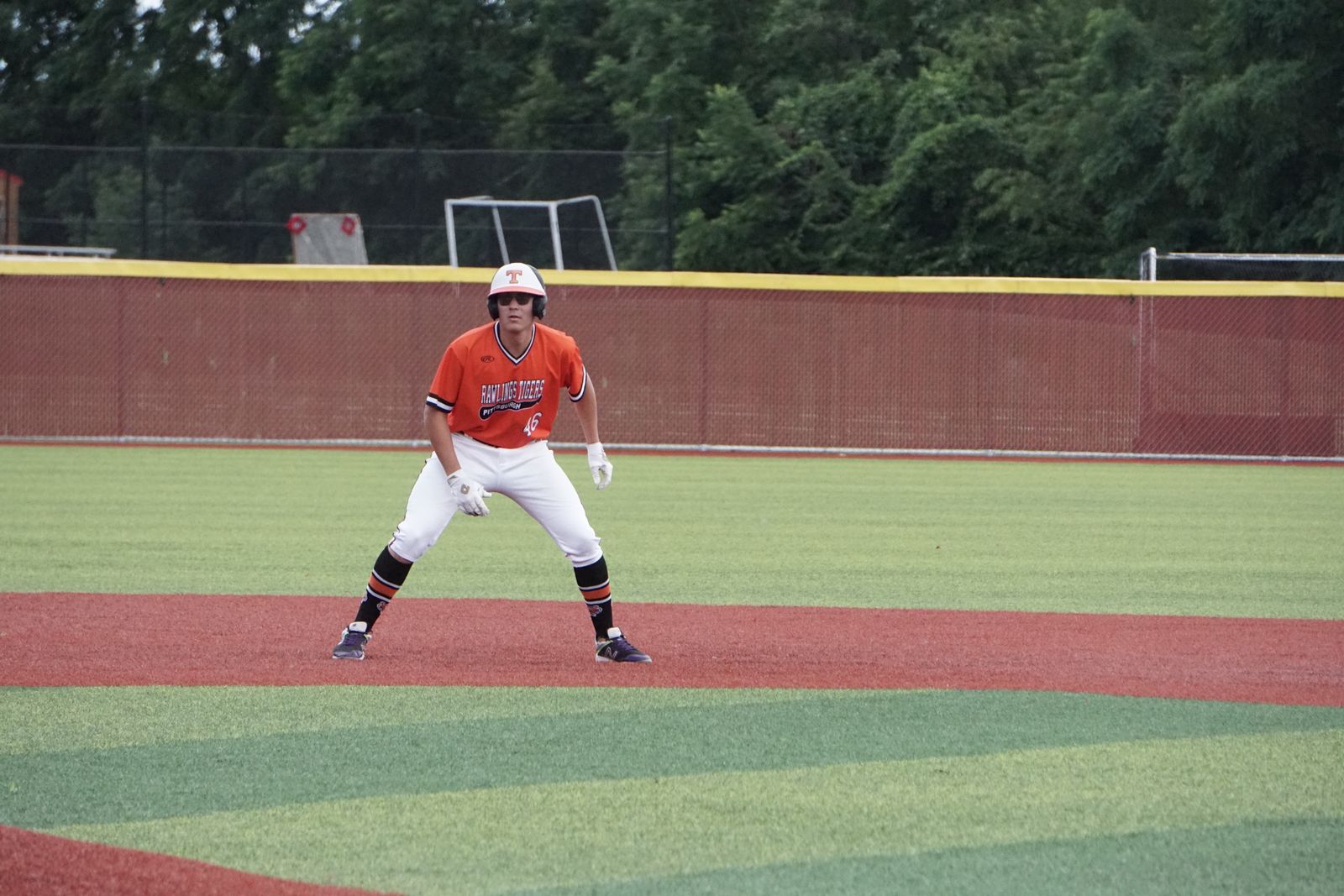
Cheer, baseball and team warm-ups
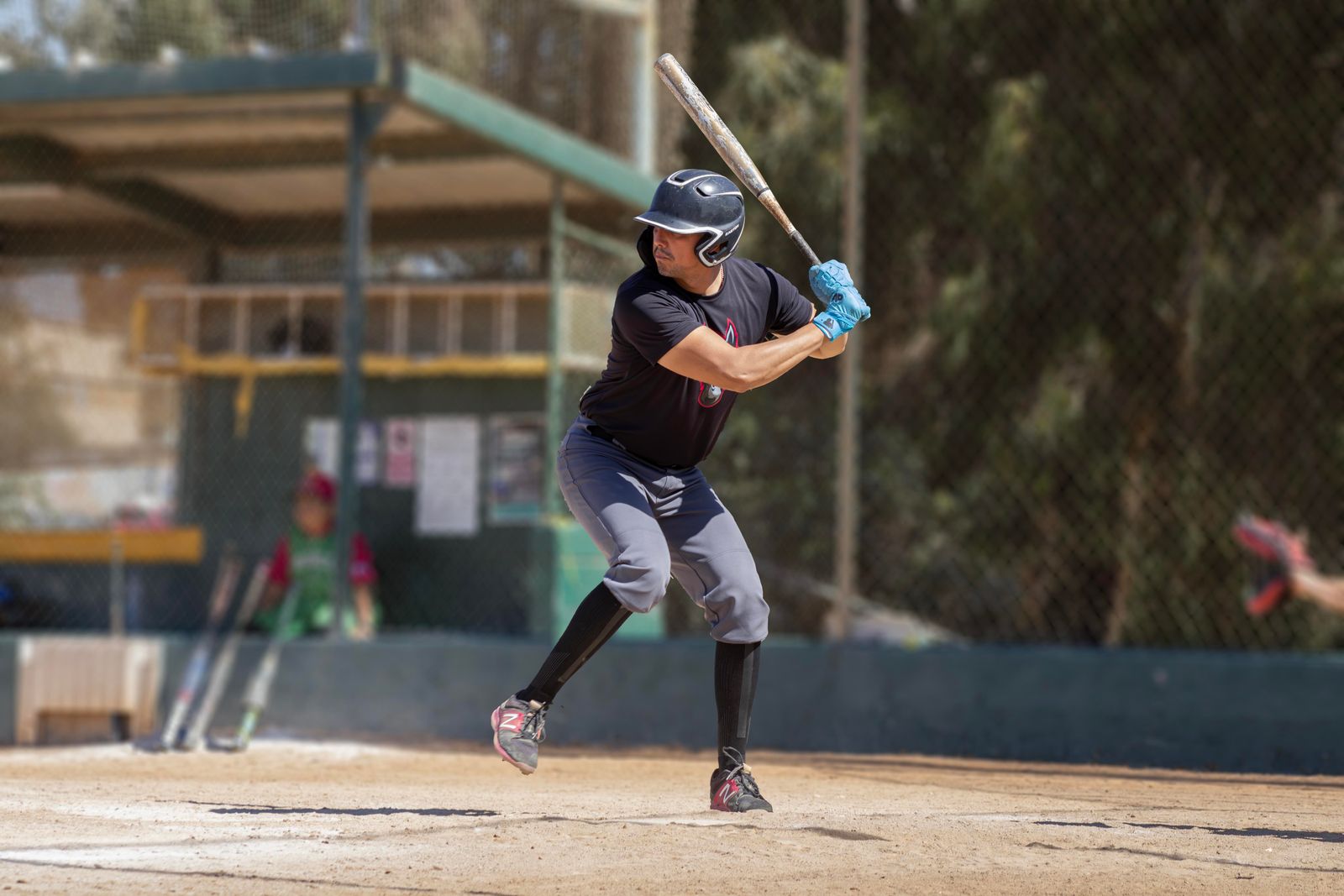
Warm-up tops, baseball jerseys and cheer uniforms use twill lettering for a classic athletic look. Colour pairing allows school and club identity to come through in a bold way.
Retro-styled fashion collections
Fashion brands use twill to create heritage sportswear aesthetics. Large block lettering across hoodies and sweatshirts delivers a collegiate look with a tactile, premium feel.
Our tackle twill process
Precision laser cutting
Letters and numbers are cut with a laser, giving clean edges and exact curves. Complex fonts and tight corners cut accurately, ready for layering and stitching.
Multi-layer construction
Two and three layer builds provide outline and fill colours. We register layers precisely so contrast borders stay even around every curve of every character.
Sealed stitched edges
A tight zigzag or satin stitch locks the edge, stopping fraying and lift. Thread colours match the layer or contrast deliberately, depending on the style you choose.
Size by garment
We scale letters and numbers by size band, and keep stroke widths within stitching limits, so a youth jersey looks as well proportioned as an adult one.
Tackle twill options
Send your design, roster and garments. We will confirm layer styles, stroke widths and fabrics, quote the work and prepare a proof.
Fabric and weight
Choose polyester twill for durability or rayon twill for a classic sheen. Twill weight is matched to garment weight to prevent puckering on lighter fabrics like mesh jerseys.
Layers and colours
One, two or three layers, in any twill colour from our range. Outline colours give contrast, and metallic or reflective twills can be added for accents on selected jobs.
Fonts and sizes
Block, athletic, arch and script styles are available. Script and thin fonts are not suitable for twill, so we modify designs for stitch width and cutting limits.
Application method
Letters are stitched on by multi-head embroidery or sewing machines. On mesh and thin fabrics we use backing and lighter adhesives, and test stitch to avoid distortion.
Tackle twill compared with other lettering
Choose twill when durability and traditional look matter, and you can accept larger lettering. Twill outlasts vinyl, and offers more texture than screen printing. It is the standard for serious football, basketball and varsity programmes.
Choose heat-applied vinyl or DTF when the budget is tight, or lettering is small. Choose sublimation for lightweight polyester kit. Choose embroidery when lettering is small and refined. Twill takes longer to produce per piece, so consider volume and lead time before choosing.
Who orders this
Tackle twill attracts buyers who want athletic heritage and long wear. It signals a serious team garment and gives lettering real presence.
- High schools and colleges ordering varsity and letterman jackets
- Football and basketball programmes outfitting full squads
- Cheer and dance teams with layered lettering
- Baseball and softball leagues needing durable jerseys
- Heritage fashion brands building collegiate collections
Care & durability
Twill lettering is built for rough use. Wash inside out on a normal cycle and hang dry or tumble low. Avoid ironing directly on twill, and use a press cloth if you must.
Over time the twill may soften and slightly fade, which suits the heritage look. If a stitched edge loosens, it can be re-stitched, and we can supply spare letters from your original artwork.
Tackle twill questions answered
Straight answers to the questions buyers ask us most. Anything missing? Send an inquiry and we will reply within one business day.
What is tackle twill made from?
Usually polyester or rayon twill, a woven fabric with a diagonal rib. It is cut into letters, bonded with light adhesive, and sewn around the edge. Polyester resists wear and fading, rayon gives a classic sheen.
How is it different from heat-applied vinyl?
Vinyl is a plastic film pressed on with heat, so it can crack or peel over time. Twill is fabric stitched into the garment, giving a thicker, more durable and more traditional look, with a higher cost per piece.
Is there a minimum letter size?
Yes. Strokes should be at least 10 to 12 mm wide for layered twill, so small lettering is better done by embroidery or print. We adjust your design where necessary and show a proof before cutting.
Can twill go on any garment?
It works best on stable, medium to heavy fabrics such as jersey mesh, fleece, wool and twill jackets. Thin stretchy fabrics can pucker, so we test and use stabiliser. Ask before choosing twill for lightweight garments.
How long does a tackle twill order take?
Twill is more labour intensive than printing, but we keep within our 10 to 15 working day bulk lead time for most orders. Large rosters with many layered numbers may need a little more, which we confirm at quote.
Request a quote for Tackle Twill
Send your design, roster and garments. We will confirm layer styles, stroke widths and fabrics, quote the work and prepare a proof.
- Reply within one business day
- Free mockup with every quote
- Pre-production sample before bulk
- Low minimums from 50 pieces
Prefer to talk? WhatsApp or call +92 329 8034691
When you click send, WhatsApp opens with your details pre-filled so you can send them straight to our team.
Lettering that lasts the season and beyond
Share your team colours and roster. We will propose layer styles, send a proof, and produce a sample before the full tackle twill run.